26/06/2026
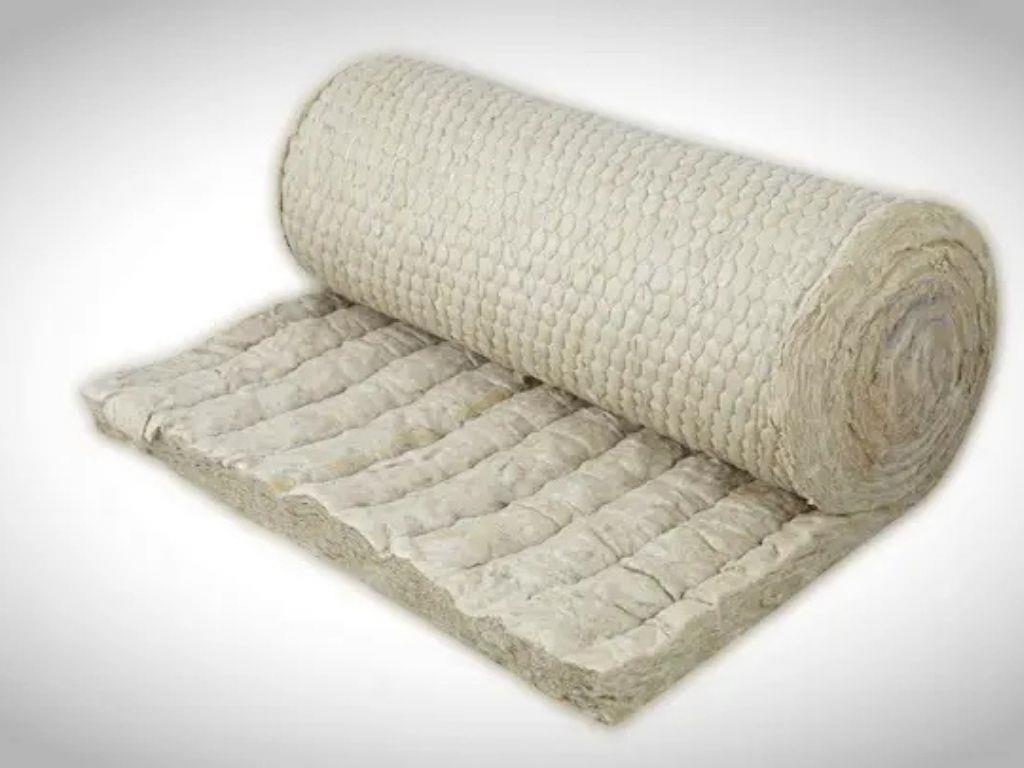
Izocam Industrial Blanket is a rock wool–based insulation product designed for industrial facilities where high temperatures, vibration, and fire risks occur simultaneously. It provides thermal insulation, fire safety, and acoustic comfort, offering a durable and safe long-term solution.
Industrial blankets are cut according to the required dimensions and wrapped around the surface. The joints are fixed using galvanized wire through the rabitz mesh. On large surfaces, the blankets are secured with pins and washers; these pins also act as spacers for metal cladding.
Important: No gaps should be left at joints. This prevents thermal bridging and improves fire safety.
1. What types are available? 650, 700, and 750 types with different thermal conductivity levels.
2. What is the maximum operating temperature? Depending on the type, it can be safely used up to 250–300 °C.
3. Is it fire resistant? Yes, it is A1 non-combustible and provides maximum fire safety.
4. Where is it commonly used? In high-risk industrial environments such as petrochemical plants, power plants, steel industries, industrial furnaces, and large pipeline systems.