29/07/2026
The most commonly used mineral wool insulation materials for improving energy efficiency, fire safety, and acoustic comfort in buildings are rock wool and glass wool. Although both products provide effective thermal and sound insulation, they differ in terms of their production structure, technical performance, durability, and application areas.
So, which one should be preferred: rock wool or glass wool?
Rock wool is a mineral wool insulation material produced by melting volcanic rocks such as basalt and diabase at very high temperatures and transforming them into fibrous structures. Thanks to its dense fiber structure, it provides excellent performance in thermal insulation, sound absorption, and fire protection.
Rock wool is commonly used in:
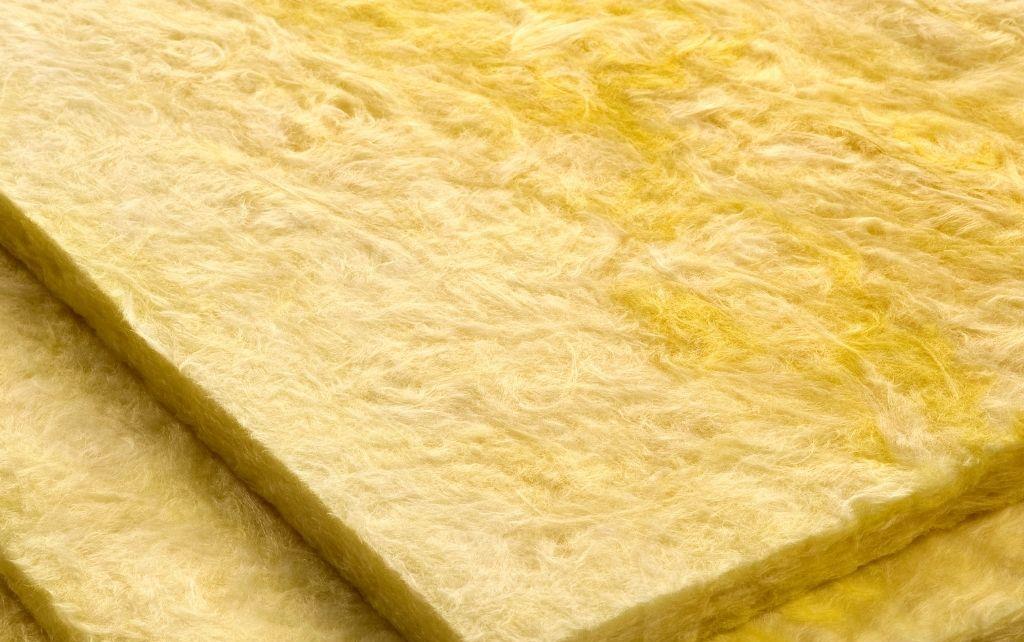
Glass wool is a fibrous insulation material produced by melting recycled glass and silica sand at high temperatures. Due to its lightweight structure, flexibility, and cost advantage, it is widely preferred in residential and commercial insulation applications.
Glass wool is commonly used in:
İzocam, one of Turkey's leading insulation manufacturers, offers a wide range of solutions in both rock wool and glass wool product groups.
İzocam rock wool products are commonly preferred in projects requiring high fire resistance, superior acoustic performance, and mechanical durability. Glass wool products are widely used in roof insulation, partition walls, and lightweight construction systems where flexibility and cost efficiency are important.
Rock wool is generally the better choice for projects where performance and safety are priorities, such as:
Glass wool is a suitable option for:
The choice between rock wool and glass wool should not be based only on price. Factors such as fire performance, acoustic requirements, mechanical strength, application area, and long-term durability should also be considered.
If fire safety, durability, and high sound insulation are the main priorities, rock wool is generally the more advantageous solution. If a lightweight, flexible, and economical insulation material is required, glass wool offers an effective alternative.
Selecting the right insulation material improves building energy efficiency, enhances comfort, and ensures reliable performance for many years.